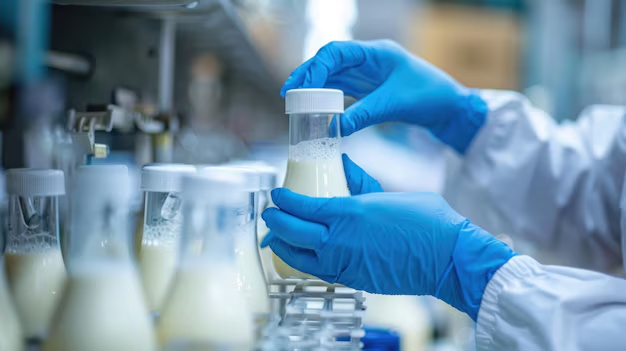
Zero-tolerance for milk adulteration: Maharashtra issues statewide compliance order
Maharashtra has issued a statewide order tightening compliance across the dairy supply chain. The move follows repeated adulteration findings and warns violators of strict penalties.
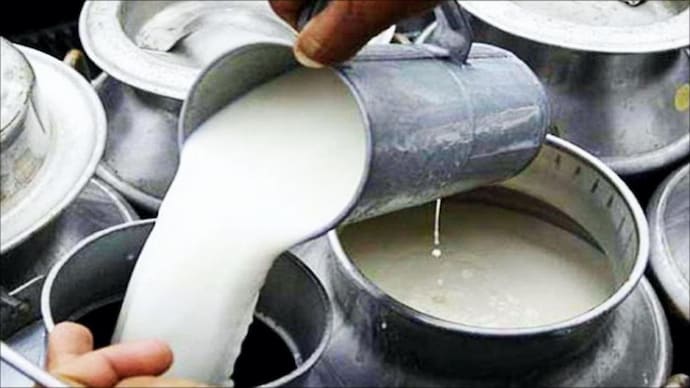
The Maharashtra government has announced a sweeping crackdown on milk adulteration, synthetic milk production and violations of food safety norms, issuing a statewide compliance order that places the entire dairy supply chain under stricter regulatory scrutiny.
The order, issued by the state’s Food and Drug Administration (FDA), mandates uniform compliance standards for all stakeholders in the milk distribution network, including milk collection centres, bulk milk coolers, chilling centres, dairies, processing units, transporters, distributors and retailers.
FDA Commissioner Tukaram Mundhe said the government has adopted a zero-tolerance policy towards milk adulteration and that strict monitoring will be carried out across the supply chain.
“Maharashtra will not tolerate adulteration in milk and dairy products. Every stakeholder in the supply chain will be required to comply with food safety regulations, and violations will invite administrative, civil and criminal action,” Mundhe said while announcing the new compliance framework.
According to the FDA, recent inspections have uncovered a range of irregularities, including the sale of milk without licences, dilution of milk with water, violations of fat and solids-not-fat (SNF) standards, and the manufacture of synthetic milk using substances such as urea, detergents, caustic soda, starch, glucose, hydrogen peroxide and formalin.
KEY REQUIREMENTS UNDER NEW ORDER
Under the revised compliance guidelines:
Raw milk can be sold only under prescribed conditions.
Every container must be clearly marked “Raw Milk”.
Consumers must be informed that raw milk should be boiled before consumption.
Pasteurised milk can only be sold in sealed, labelled and tamper-evident packaging.
Only food-grade equipment can be used for storage, transport and handling.
Cold-chain maintenance and temperature records will be mandatory throughout the supply chain.
Businesses must maintain traceability records from the source of milk to the final point of sale.
Employees handling food products must possess valid health certificates.
Compliance with Food Safety Management System (FSMS), Hazard Analysis and Critical Control Point (HACCP) protocols and Food Safety Training and Certification (FoSTaC) training requirements will be closely monitored.
SPECIAL CHECKS DURING FESTIVALS
The FDA has also announced intensified inspections during major festivals such as Diwali, Holi, Ganeshotsav, Navratri and Raksha Bandhan, when demand for dairy products rises sharply.
Special drives will focus on products including khoya, paneer, ghee, sweets and other milk-based items. Authorities said risk-based inspections, sample collection and laboratory testing will be used to identify adulteration and food safety violations.
Officials warned that any violation of the Food Safety and Standards Act, 2006, could attract stringent administrative, civil and criminal penalties.